


Understanding the Process of Kerb Dropping
Kerb dropping is a common term in property development. Yet, many property owners are unfamiliar with the process and its benefits.
This article aims to demystify the kerb dropping process. We’ll delve into what it entails, its legal requirements, and the benefits it offers.
Whether you’re a homeowner, a property developer, or a local business owner, this guide will provide valuable insights. It’s designed to help you make informed decisions about kerb dropping.
So, let’s embark on this journey to understand the process of kerb dropping and how it can enhance property access and value.

What is Kerb Dropping?
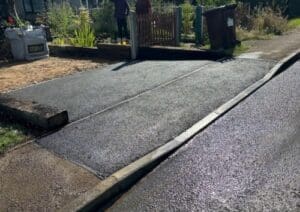
Kerb dropping, also known as kerb cutting, is a process that modifies a pavement. It involves lowering the kerb to create a driveway or improve access to a property.
This process is often necessary when a new driveway is installed. It provides a smooth transition between the road and the driveway.
However, kerb dropping isn’t just about convenience. It’s also a legal requirement in many areas to ensure pedestrian safety and smooth traffic flow.
In essence, kerb dropping is a crucial step in property development and urban planning.
Legal Requirements for Kerb Dropping
Altering a pavement isn’t a decision to be taken lightly. It’s governed by local council regulations and highway authorities.
Before starting the kerb dropping process, you must obtain permission. This ensures that the work complies with local laws and safety standards.
Unauthorized kerb dropping can lead to fines. In some cases, you may be required to restore the kerb to its original state.
Understanding and adhering to these legal requirements is crucial for a successful kerb dropping project.

The Benefits of Dropping a Kerb
Dropping a kerb can significantly increase property value. It improves access, making properties more appealing to potential buyers.
It also facilitates better access for emergency vehicles. This can be a crucial factor in times of need.
Moreover, kerb dropping can improve access for cyclists and pedestrians. It contributes to a safer and more accessible community environment.
Step-by-Step Kerb Dropping Process
The kerb dropping process involves several steps. It starts with planning and ends with completion.
First, you need to apply for permission from the local council or highway authority. This is a crucial legal requirement.
Once approved, you hire a professional contractor. They will have the necessary experience and tools for the job.
The actual process of kerb dropping involves the following steps:
- Site inspection and measurement
- Removal of the existing kerb
- Laying the new kerb
- Ensuring proper drainage
- Final inspection and approval
The process may vary slightly depending on local regulations and the specific property.
Applying for Permission
Applying for permission is a key step in the kerb dropping process. It involves contacting your local council or highway authority.
You will need to provide details about your property and the proposed work. This may include a site plan or other relevant documents.
The council will review your application. If approved, you can proceed with the kerb dropping process.
Hiring a Professional Contractor
Hiring a professional contractor is crucial for a successful kerb dropping project. They have the necessary skills and experience.
A professional contractor will ensure the work is done correctly and safely. They will also adhere to local regulations.
Remember to obtain a detailed work plan and quote before the project begins.
Cost and Duration of Kerb Dropping
The cost of kerb dropping varies. It depends on factors like labour, materials, and permits.
The duration also varies. It depends on the complexity of the project and the contractor’s schedule.
Always factor in potential delays. Weather conditions or unexpected issues can extend the timeline.
Conclusion and Next Steps
Understanding the kerb dropping process is crucial. It helps in making informed decisions about property development.
Remember to comply with local regulations. Non-compliance can lead to fines and mandatory restoration.
Lastly, hire a professional contractor. They ensure the job is done correctly and efficiently.