


The Complete Guide to Planning a Driveway
A new driveway can be a great investment when improving your home’s exterior. However, it can take time to evaluate all options available on the market, while also considering functionality, durability and visual appeal. To help make the decision-making process easier, we have compiled a complete guide to planning a driveway so that you can get it right the first time.
Planning Permission
In the United Kingdom, planning permission is usually unnecessary for new driveways if permeable materials are used, and there is an adequate drainage point. With that said, planning permission may be required if you live in a conservation area or are replacing a front garden with a driveway. We recommend contacting your local council to ensure you comply with any regulations to avoid potential issues in the future.
Ground Preparation
The first step to planning a driveway is to prepare the ground appropriately. This way, any materials laid on top will set effectively, reducing the likelihood of drooping or sinking. Reviewing any driveway proposals to ensure they include the necessary sub-base preparation and appropriate bedding layer is important. In doing so, you can rest assured that your driveway will stand the test of time.
Driveway Layout
The design and layout of your driveway will largely depend on the size and shape of your property. Your driveway should be wide enough to accommodate your vehicles and account for the usual traffic in and out of your home. For instance, if you have a large family or frequently host guests, a circular driveway or additional parking bays may be an appropriate option.
To help you determine the best driveway layout for your preferences and lifestyle, we recommend working closely with professional driveway installers. A reputable and experienced contractor will provide a detailed proposal outlining the driveway layout, quote and timeline of work to ensure you’re getting the driveway of your dreams, while sticking to budget and deadlines.
Materials and Drainage
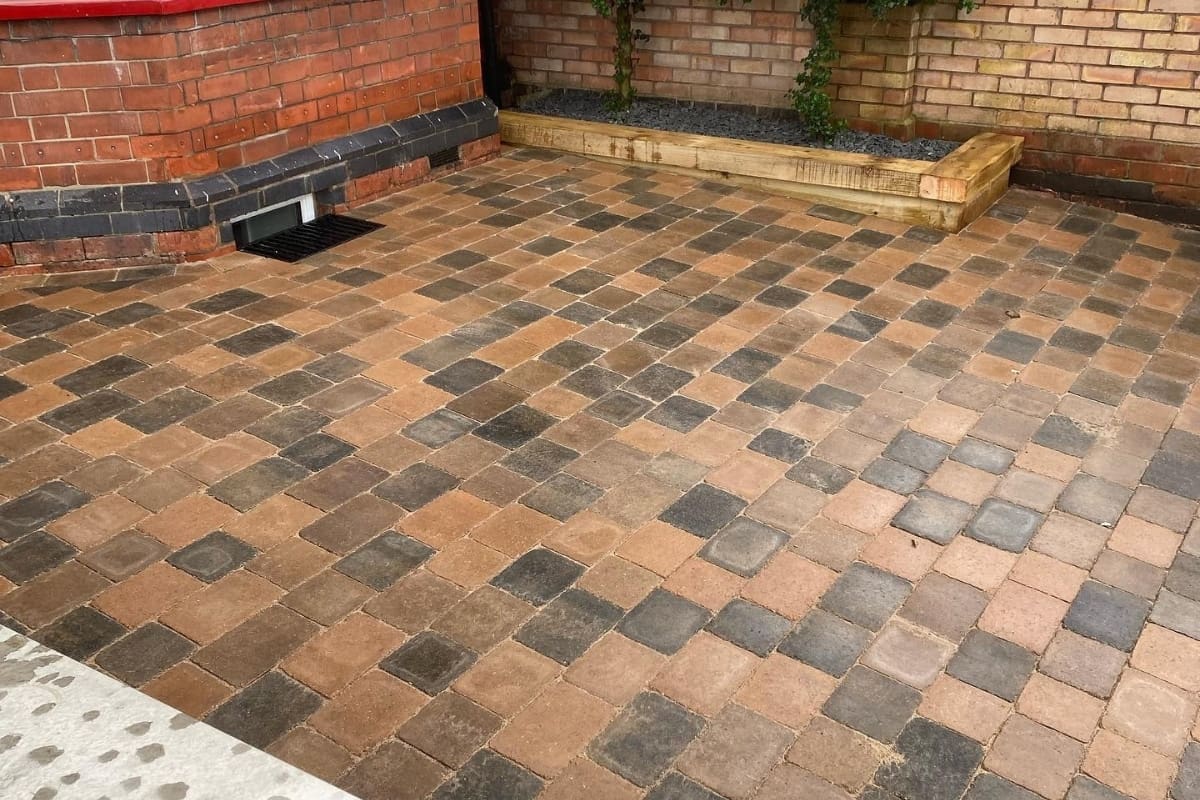
When planning a driveway, several material options exist, including block paving, concrete, tarmac and gravel. Block paving is popular due to its versatility and design options, whereas concrete is known for its durability.
On the other hand, tarmac is cost-effective and requires little to no maintenance, whereas gravel promotes a natural appearance while enhancing home security. No matter which material you choose, it must be SuDS compliant. Simply put, to meet Government regulations, the material must be permeable and allow water to drain to either natural ground or a drainage point.
Maintenance
Proper maintenance is key to ensuring the longevity and appearance of your driveway. Depending on your chosen material, maintenance may include regular cleaning, resealing or filling any cracks or gaps. You should also avoid parking heavy vehicles on your driveway or using sharp objects that may damage the surface.
Planning a driveway for your home requires careful consideration of several factors, from layout and cost to materials and maintenance. Each decision will impact the functionality and appearance of your driveway. With the right planning and a reputable contractor, you can create a driveway that not only enhances the appearance and value of your property but also stands the test of time.