


Which is the Best Driveway Material?
First impressions matter, whether you’re meeting new people, or valuing your home. A property’s driveway delivers a huge first impression on guests and surveyors alike, and your driveway material can make or break your home’s kerb appeal. Each homeowner and each house require different things from a driveway material; modern construction options provide plenty to choose from. Discovering more about the pros and cons of each option helps you decide the best driveway material to complement your home.
What to Consider When Searching for the Best Driveway Material
A wide array of aesthetical, practical, and physical factors can shape your decision when finding the best driveway material to suit your home. First and foremost, the UK’s famous weather demands acknowledgement. Between the heatwaves, cold snaps, and plenty of wind and rain, you’ll need a hard-wearing material to brave the elements. Thermal expansion, drainage, and permeability must all be considered when planning your drive.
Secondly, different driveway materials suit different driveway slopes, shapes, and sizes. Considering these practical factors along with aesthetic choices, like whether the material suits the rest of your home, puts you in great stead going forward. Whether developing a cutting-edge new build or freshening up a traditional townhouse, the ideal driveway material is out there.
Gravel Driveways
Speaking of traditional townhouses, the classical British home often features a gravel drive, in a variety of colours. This variability delivers a big benefit, as you can match your gravel driveway to the rest of your property with a complementary colour scheme. It’s also surprisingly cost-effective and scalable for driveways big and small. In addition, a gravel driveway’s unmistakable crunch underfoot can even deter opportunist thieves and unwanted trespassers.
Possible drawbacks include gravel’s tendency to shed precipitate from the driveway and any ruts and weeds that develop over time.
Concrete Driveways
Concrete’s been a popular building material since Ancient Rome, and the surviving ancient monuments testify to concrete’s strength and reliability. As a pourable, mouldable material, concrete supports driveways of any size. Concrete construction might not visually appeal to homeowners in its most basic form, as it can seem drab and beige. However, modern dyeing or concrete imprinting techniques create intricate patterns that demand consideration for your next driveway upgrade.
Tarmac Driveways
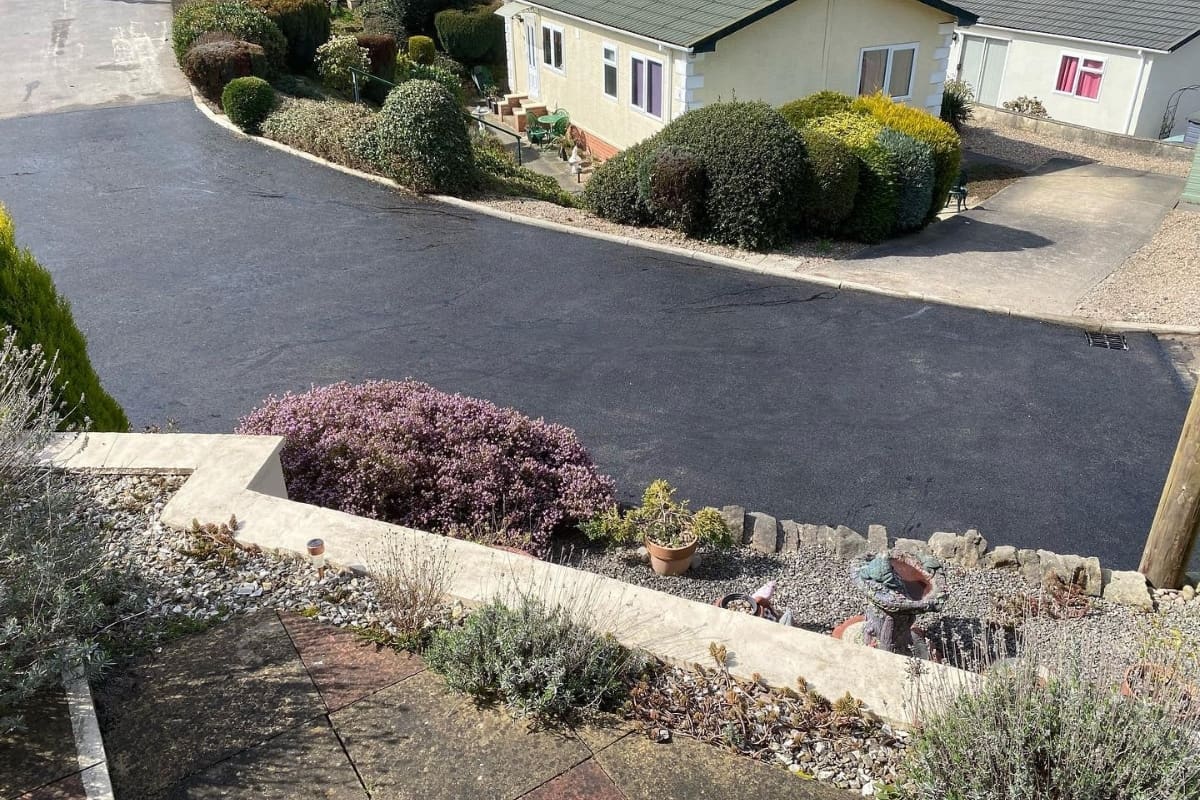
Another strong contender for the best driveway material, asphalt, creates such a successful surface that councils and governments around the world pave their roads, paths, and outdoor areas with the stuff. Asphalt, AKA tarmac, creates smooth, glossy driveways at cost-effective pricing. However, warmer climates can cause asphalt to soften or stick, which increases as temperatures rise.
Block Paving Driveways
Block paving, one of Britain’s most popular driveway solutions, creates roadways from patterns of specialised bricks. This material’s composite nature means that homeowners choose from a wide range of bricks and patterns to suit their aesthetic and budgetary requirements. If one brick breaks, they can repair the driveway with little effort or expense. That being said, complex block paving driveway patterns can require intensive installations.
Resin Bound Driveways, the Fastest-Growing Driveway Preference
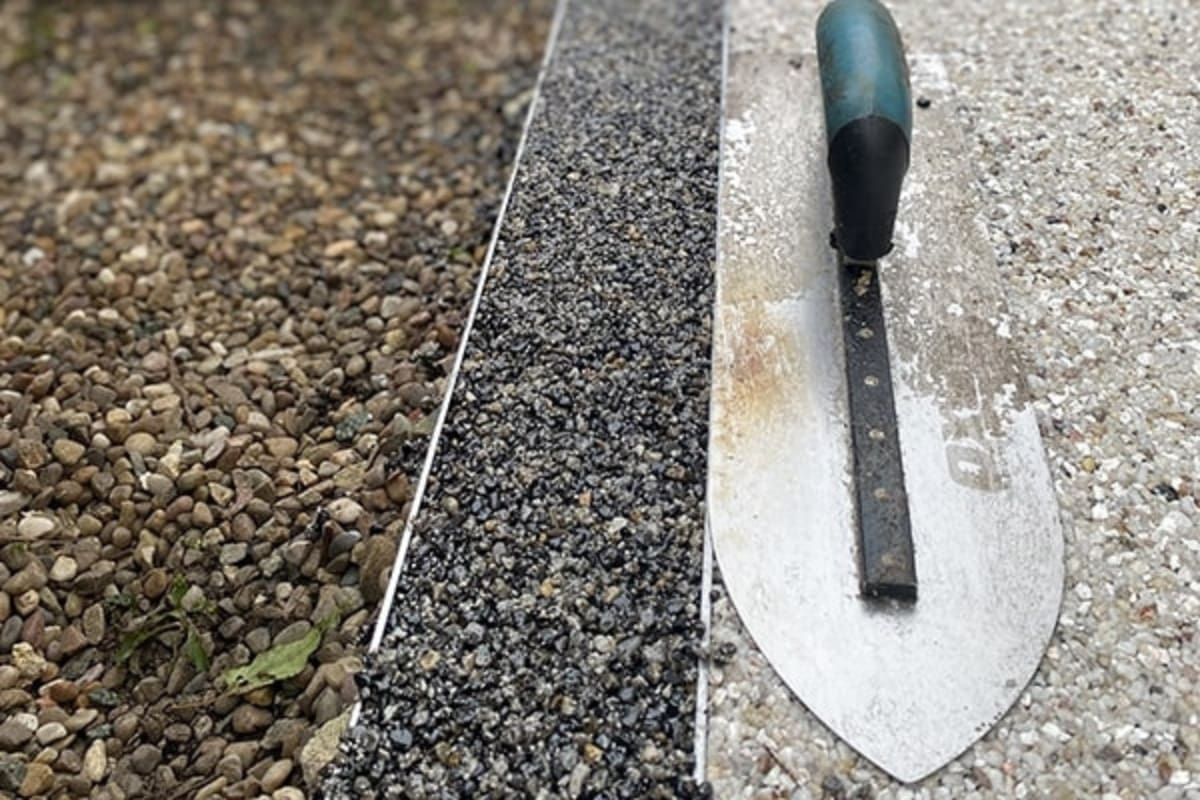
Resin bound driveways stake a strong claim as the best driveway material, as their customisability and versatility fit all kinds of applications. The solution combines coloured aggregates with durable resin, pairing strong physical and visual characteristics. Crucially, they’re also permeable, preventing puddles and complying with UK drainage regulations. For a long-lasting driveway that you can shape and colour to suit your home, resin bound driveways offer an effective option.